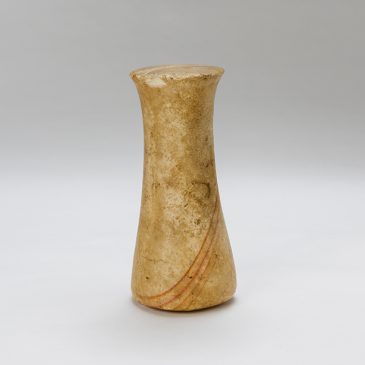
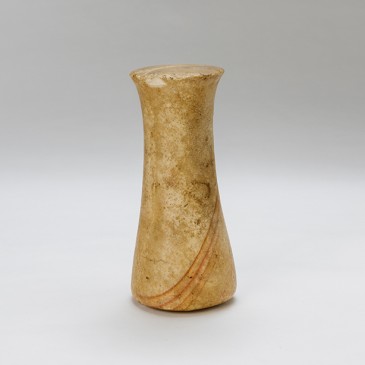
Centered idol

Centered idol
Western AsianAround 2000 B.C
In stock
Additional information
| Culture | |
|---|---|
| Datation | |
| Dimensions | |
| Type | |
| Material | |
| Colors | |
| Condition | |
| Serial Number |


In stock
| Culture | |
|---|---|
| Datation | |
| Dimensions | |
| Type | |
| Material | |
| Colors | |
| Condition | |
| Serial Number |
©Designed by Webgenève - Création de site internet

Rue Etienne Dumont, 9 1204 Geneva
Tel. +4122 301 9378
Email: contact@young-collectors.com


